Table of Contents
Last Updated: November 6, 2026
Quick Summary
The best gluten-free pasta for everyday meals depends on the base ingredient and your sauce. Taste Republic Gluten-Free Fusilli was named best overall by Food & Wine, while Banza Cavatappi won its best value pick.
- Food & Wine named Taste Republic Gluten-Free Fusilli its best overall pick after a month-long test.
- Banza Cavatappi was singled out as the best value option in the same test.
- Match the shape to the sauce: spaghetti suits light sauces, fusilli and cavatappi trap chunky ingredients.
- Use about 4 quarts of water per pound and start tasting two minutes before the package time.
Table of Contents
- Why Gluten-Free Pasta Quality Varies So Much
- How We Compared the Top Gluten-Free Pastas
- Best Gluten-Free Pasta Brands Worth Buying
- Gluten-Free Pasta Ingredients and What They Mean for Taste
- Choosing the Healthiest Gluten-Free Pasta for Daily Eating
- How to Cook Gluten-Free Pasta So It Stays Firm
- Cross-Contact Safety and Value Per Serving
- Planning Your Next Gluten-Free Pasta Meal in Las Vegas
- Frequently Asked Questions
Why Gluten-Free Pasta Quality Varies So Much
Gluten-free pasta is no longer a niche product. Chickpea pasta alone is projected to hold 34% of the gluten-free pasta product-type segment in 2026, according to Future Market Insights gluten-free pasta market forecast. Shoppers now have far more choices than they did a decade ago, and the quality gap between them is wide.
That gap is the reason this guide exists. Some gluten-free pastas hold their shape and taste close to wheat pasta. Others turn gritty or mushy within minutes of hitting boiling water. Daré Vita Café’s menu is built around gluten-free and grain-free cooking.
Most of the difference comes down to the base ingredient. Rice, corn, chickpeas, lentils, and cassava each behave differently when cooked, and the blend a manufacturer chooses shapes almost everything about the final bite.
How We Compared the Top Gluten-Free Pastas
This list draws on published product reviews and tests. Food & Wine ran a month-long product test and named Taste Republic Gluten-Free Fusilli its best overall pick, Banza Cavatappi its best value, and ZENB Plant Based Elbow Pasta its best splurge, according to Food & Wine’s gluten-free pasta test. Another reviewer tested 21 gluten-free pastas in a separate taste test.
Best Gluten-Free Pasta Brands Worth Buying
These are the brands that stood out across the reviews we consulted. Pricing comes from the cited reviews and can change, so check the retailer before you buy.
| Pasta | Shape | Reviewer Recognition | Reported Price |
|---|---|---|---|
| Taste Republic Gluten-Free Fusilli | Fusilli | Best Overall, Food & Wine | $69 (retail listing) |
| Banza Cavatappi | Cavatappi | Best Value, Food & Wine | $23 (retail listing) |
| ZENB Plant Based Elbow Pasta | Elbow | Best Splurge, Food & Wine | Not stated |
| Whole Foods 365 Gluten-Free Spaghetti | Spaghetti | Best Overall, FitOn | Under $2 (local store) |
| Jovial Cassava Pasta | Dried | Best Dried, FitOn | $4.99 per 12 oz |
| Mountain High Organics Quinoa Pasta | Quinoa | Listed in guide | $7.63 per 16 oz |
Best Overall and Best Value Picks
Taste Republic Gluten-Free Fusilli earned the top spot in Food & Wine’s test. Banza Cavatappi is the budget-minded choice, and the reviewers singled it out for value rather than for the best texture.
Best Shapes for Specific Dishes
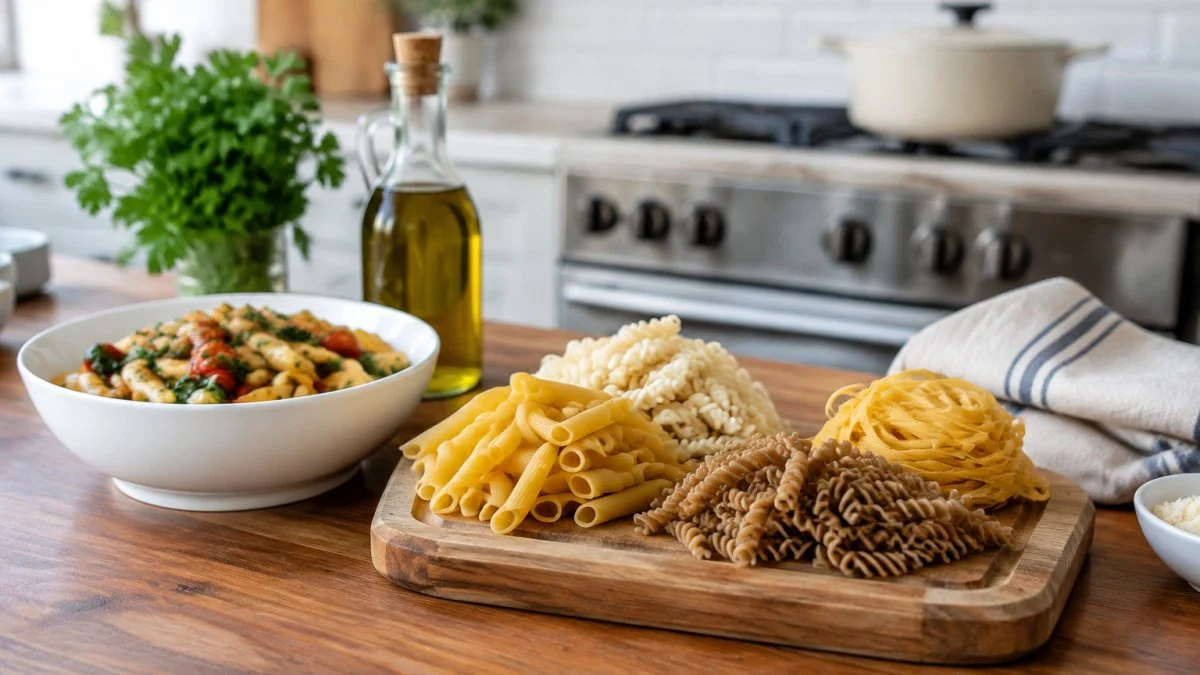
Match the shape to the sauce. Spaghetti and bucatini suit light olive oil or tomato sauces. Fusilli and cavatappi trap chunky vegetables and meat.
Gluten-Free Pasta Ingredients and What They Mean for Taste
The ingredient list tells you most of what to expect. Corn and rice blends tend to cook up firm and mild. Chickpea and lentil pastas bring more protein and a slightly earthier flavor. Cassava gives a chewier bite that many people find closest to wheat.
Almond flour pastas can produce a richer taste but can be delicate to handle. They also contain tree nuts, so people avoiding them should skip them.
A 2025 paper in PMC reports that enriched gluten-free pasta samples had improved nutritional profiles, though some quality parameters were affected, according to Technological and Nutritional Characteristics of Gluten-Free Pasta. In other words, adding nutrients can change texture, which is one reason ingredient choice matters.
Choosing the Healthiest Gluten-Free Pasta for Daily Eating
Gluten-free pasta is not automatically the more nutritious choice. The Celiac Disease Foundation recommends naturally gluten-free foods as a cost-effective and healthy way to follow a gluten-free diet, according to Celiac Disease Foundation gluten-free foods guidance. Rice, potatoes, beans, and fresh produce often beat a refined pasta on nutrition and price.
When you do buy pasta, check the fiber and protein per serving. Legume-based options usually lead on both. Read the label for added starches and sugars, since some blends rely on refined starch for texture.
How to Cook Gluten-Free Pasta So It Stays Firm
Gluten-free pasta breaks down faster than wheat pasta because it lacks the gluten network that holds semolina strands together. That means timing, water volume, and shape all matter more than they do with conventional pasta. The difference between firm and mushy can be a matter of seconds, so treat the package time as a ceiling, not a target.
Water ratio and salt
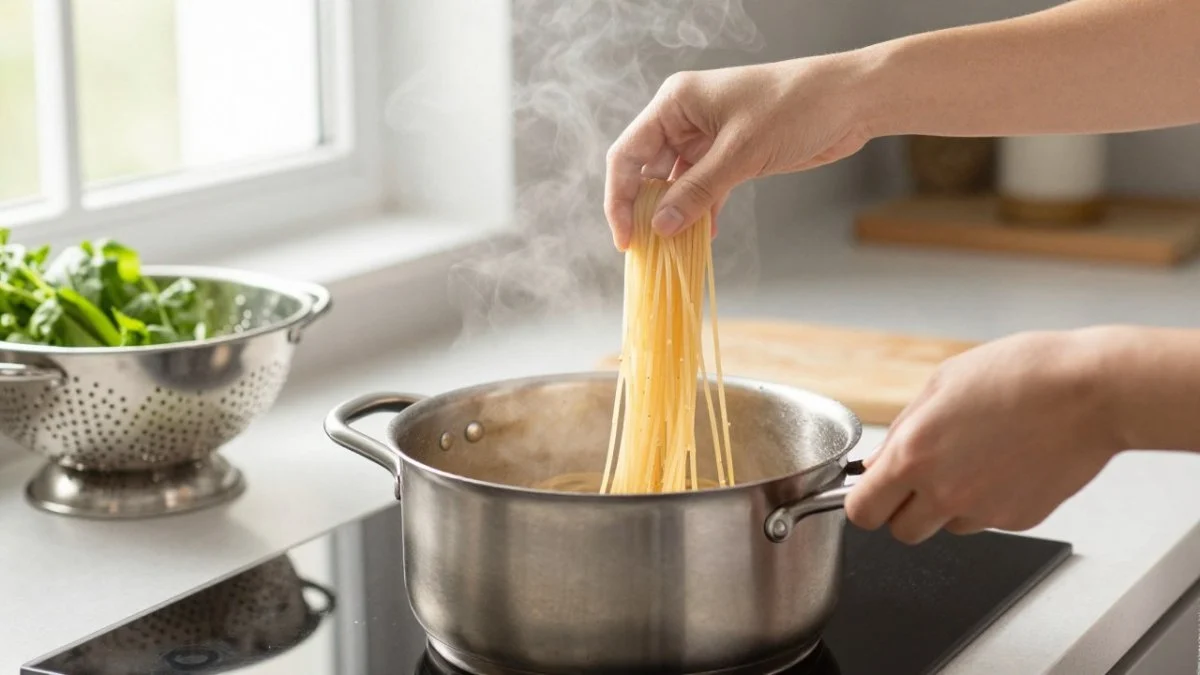
Use more water than you think you need, roughly 4 quarts of water per pound of pasta, so the starch that leaches out has room to disperse instead of gluing the pieces together. Salt the water at about 1 tablespoon per 4 quarts. Do not add oil to the boiling water; it coats the pasta and prevents sauce from clinging later.
Timing by shape
- Spaghetti and other long strands: start tasting 2 minutes before the package time.
- Fusilli and cavatappi: the twists trap water and cook from the outside in, so they often need the full package time plus 30 seconds. Test a thick center piece, not an end.
- Penne and rigate: the ridges are the first to soften; check the tube wall, not the tip.
- Elbow and small shapes: these overcook fastest. Pull them 1 minute early if you plan to toss them with a hot sauce, since residual heat finishes the cooking.
The first minute and the drain
Stir the pasta for the first 60 seconds after it hits the water so pieces do not stick together. Keep the water at a rolling boil rather than a simmer; a lazy boil lets starch settle and turns the surface gummy. When you drain, reserve about 1/2 cup of the cooking water first, the starch in it helps a sauce emulsify and cling to gluten-free pasta, which is slicker than wheat pasta. Do not rinse hot pasta unless you are making a cold salad; rinsing washes off the surface starch that helps sauce adhere.
Reheating and meal-prep performance
Cooked gluten-free pasta firms up in the refrigerator and can turn dry or crumbly within a day. For meal prep, undercook by about 1 minute, toss with a little olive oil or sauce before storing, and reheat gently with a splash of water in a covered pan or microwave at 50% power.
A shape-to-sauce note for everyday cooking: light olive-oil and tomato sauces suit spaghetti and bucatini; chunky vegetable and meat sauces need fusilli or cavatappi to trap the pieces; baked dishes work best with penne rigate, which holds its tube shape under a layer of cheese and sauce.
Cross-Contact Safety and Value Per Serving
Shopping for a gluten-free product is different from eating out safely. Packaged labels can tell you about ingredients, but cross-contact in a shared kitchen is a separate risk for people with celiac disease. This is the section most gluten-free pasta roundups skip, and for readers with strict gluten avoidance it matters more than any taste score.
Reading the label for celiac safety
Start with the ingredient statement, then look for a third-party certification seal. In the United States, federal labeling rules govern when a product may be labeled “gluten-free”; check the current FDA guidance for details. A common pattern is that brands serious about celiac safety go further and carry a seal from one of these organizations:
A product can be legally labeled gluten-free without any of these seals, so the seal is a useful tiebreaker when two pastas look otherwise equal.
Shared equipment and facility warnings
Read the “may contain” and facility statements. Many gluten-free pastas are made on lines that also run wheat pasta, and a “made in a facility that also processes wheat” note is a signal to call the manufacturer before relying on the product daily. Oats are a separate trap: even gluten-free oat-based pastas can be cross-contacted in milling, so look for oats specifically labeled gluten-free. A product labeled “wheat-free” is not necessarily gluten-free, since barley, rye, and spelt can still be present.
Cost per serving, not package price
Package price is misleading because box sizes and serving counts vary widely. To compare fairly, divide the package price by the number of servings listed on the nutrition panel. To compare fairly, divide the package price by the number of servings listed on the nutrition panel of each product you are considering.
A practical rule: legume-based pastas (chickpea, lentil) usually cost more per serving but deliver more protein and fiber, so the effective cost per gram of protein can be lower than a cheap rice pasta. If you are feeding a family on a weeknight budget, buy the larger multi-pack of a rice or corn blend and reserve the legume pastas for dishes where the protein matters.
Daré Vita Café uses a dedicated gluten-free and grain-free kitchen, and its menu is free from gluten, grains, soy, peanuts, tree nuts, and refined sugars. Readers who want to know how the kitchen prevents cross-contamination can see how the restaurant prevents cross contamination. For current prices or a quote, check the Daré Vita Café website.
Planning Your Next Gluten-Free Pasta Meal in Las Vegas
If you want a ready-made gluten-free meal rather than cooking at home, you can explore our gluten-free menu. We also answer common questions about our cross-contact procedures on our site.
Las Vegas residents and visitors with strict dietary needs can plan ahead by reviewing the menu before they arrive. For menu questions, contact Daré Vita Café directly.
Frequently Asked Questions
What is the healthiest gluten-free pasta to eat?
Healthiness depends on what you need from the pasta. Legume-based options such as chickpea pasta generally offer more protein and fiber than refined rice-based pasta. Check the nutrition label for protein, fiber and added sugar, and look for short ingredient lists. Naturally gluten-free whole foods like rice, potatoes and quinoa remain a cost-effective, healthy foundation for a gluten-free diet.
Is there gluten-free pasta that tastes like real pasta?
Some gluten-free pastas come close to wheat pasta in flavor and bite, while others are noticeably grainier or softer. Texture and flavor differ by ingredient base, so a corn-and-rice spaghetti will taste different from a chickpea or cassava pasta. Cooking the pasta correctly makes a large difference in how close it tastes to wheat pasta.
How do you keep gluten-free pasta from getting mushy?
Use a large pot of boiling water, stir in the pasta right away, and cook it for the shorter end of the package time. Start testing a minute or two early and drain as soon as it is al dente. Rinse lightly with cool water only if you are making a cold dish. Avoid letting the pasta sit in the water after draining, since residual heat keeps cooking it.
How can people with celiac disease avoid cross-contact when cooking pasta?
Look for pasta labeled certified gluten-free, use a clean pot and colander, and dedicate a strainer or utensils to gluten-free cooking if shared kitchens are a concern. Cook gluten-free pasta in water that has not been used for wheat pasta. Store it separately and wipe counters before preparing it. These steps reduce the chance of contact with gluten.