Table of Contents
Quick Summary
Yes, you can eat low-histamine in Las Vegas restaurants by choosing freshly cooked, plain proteins and asking staff direct questions. Aged, fermented, cured, and long-stored foods carry more histamine, so fresh is best. Request sauces and dressings on the side, and confirm marinades before ordering.
- Fresh is best: avoid aged, fermented, canned, and long-stored foods.
- Ask whether chicken or fish is marinated before it is cooked.
- Request sauces, dressings, and toppings on the side.
- Choose freshly cooked plain protein, plain grains, and steamed vegetables.
- Pull current menus from restaurant websites and call during off-peak hours.
Table of Contents
- What a Low-Histamine Diet Means and Why Freshness Matters
- Low-Histamine Fast-Food Options: What to Order and What to Skip
- How to Order Low-Histamine Meals at Las Vegas Restaurants
- Where to Find Low-Histamine Meals in Las Vegas: A Shortlist to Verify
- Low-Histamine Snacks for Between Meals and Travel Days
- A One-Week Low-Histamine Meal Plan You Can Adapt
- Book Your Allergen-Friendly Meal at Daré Vita Café
- Frequently Asked Questions
What a Low-Histamine Diet Means and Why Freshness Matters
One question comes up more than any other: can you actually eat low-histamine when you dine out? The short answer is that it can be done when you know what to look for. A low-histamine diet is currently the most advised strategy to prevent the symptoms of histamine intolerance, according to a PMC clinical review of low-histamine diet efficacy.
Histamine is a compound the body produces naturally, and it also builds up in certain foods. Aged, fermented, cured, and long-stored foods carry more of it, which is why freshness matters: chicken cooked the same day is far safer than leftovers that sat in a cooler for two days.
The practical rule is simple. Fresh is best. Cleveland Clinic guidance on low-histamine dining makes the same point, noting that avoiding aged, fermented, canned, and long-stored foods is the core of low-histamine eating out.
Medical supervision matters, too. Cutting out large groups of foods without guidance can lead to nutritional gaps. Johns Hopkins Medicine overview of histamine intolerance symptoms describes a low-histamine diet as a strategy for managing symptoms such as flushing, headaches, and digestive discomfort, and it is worth discussing any restriction with a clinician first.
Low-Histamine Fast-Food Options: What to Order and What to Skip
Fast food is hard for low-histamine eaters for a structural reason. Chain kitchens rely on pre-marinated proteins, batch-produced sauces, and held items. Marinades and sauces concentrate vinegar, soy, fermented condiments, and aged cheeses, while holding times let histamine build up in cooked proteins.
Why Fast Food Is Risky, Specifically
Three things drive the risk in a drive-thru or counter-service kitchen:
- Pre-marination. Chicken and beef at most chains are marinated or injected before they reach the store, which means you cannot ask the kitchen to leave the marinade off. The marinade is already in the product.
- Held proteins. Grilled chicken and burger patties are often cooked in batches and held in warming drawers. The longer a cooked protein sits, the more histamine can accumulate.
- Condiment architecture. Ketchup, mustard, mayonnaise, pickles, and most signature sauces are vinegar- or fermentation-based, and cheese is usually aged.
Chain-by-Chain Ordering Guidance
Menus change, so confirm current preparation with the location before ordering.
What to Order and What to Skip, in General
Usually a better bet:
- Freshly cooked, plain chicken, turkey, or beef that is not pre-marinated
- Baked potatoes with plain butter or olive oil
- Steamed or fresh vegetables and fresh side salads with oil and lemon
- Plain rice or simple grain sides
- Eggs cooked to order
Usually worth skipping:
- Aged cheeses and cured or smoked meats
- Vinegar-based dressings, ketchup, mustard, mayonnaise, and pickles
- Soy sauce, miso, and tempeh
- Pre-marinated grilled chicken and held patties
- Leftover or pre-cooked items held for long periods
Watch out: “grilled chicken” at a fast-food chain may be marinated before it reaches the store. If plain protein matters, ask whether the item is marinated.
A 60-Second Drive-Thru Script
- “Is the chicken marinated before it’s cooked, or plain?”
- “Is that cooked to order or held in a warmer?”
- “Can I get it with no sauce, no cheese, and no pickles?”
- “What’s the plainest side you have, fruit, a baked potato, or plain vegetables?”
If the person at the counter cannot answer, ask them to check with the kitchen. If the answer is still vague, order the simplest item on the menu and keep sauces off.
Ready-made comfort food can work better when the ingredients are clean and the cooking is recent. For readers who want that option in Las Vegas, Daré Vita Café’s clean-ingredient comfort menu shows the full range of scratch-made dishes. For readers who want that option in Las Vegas, Daré Vita Café offers healthy comfort food made with clean ingredients, which is built around scratch-made meals rather than pre-packaged items.
How to Order Low-Histamine Meals at Las Vegas Restaurants
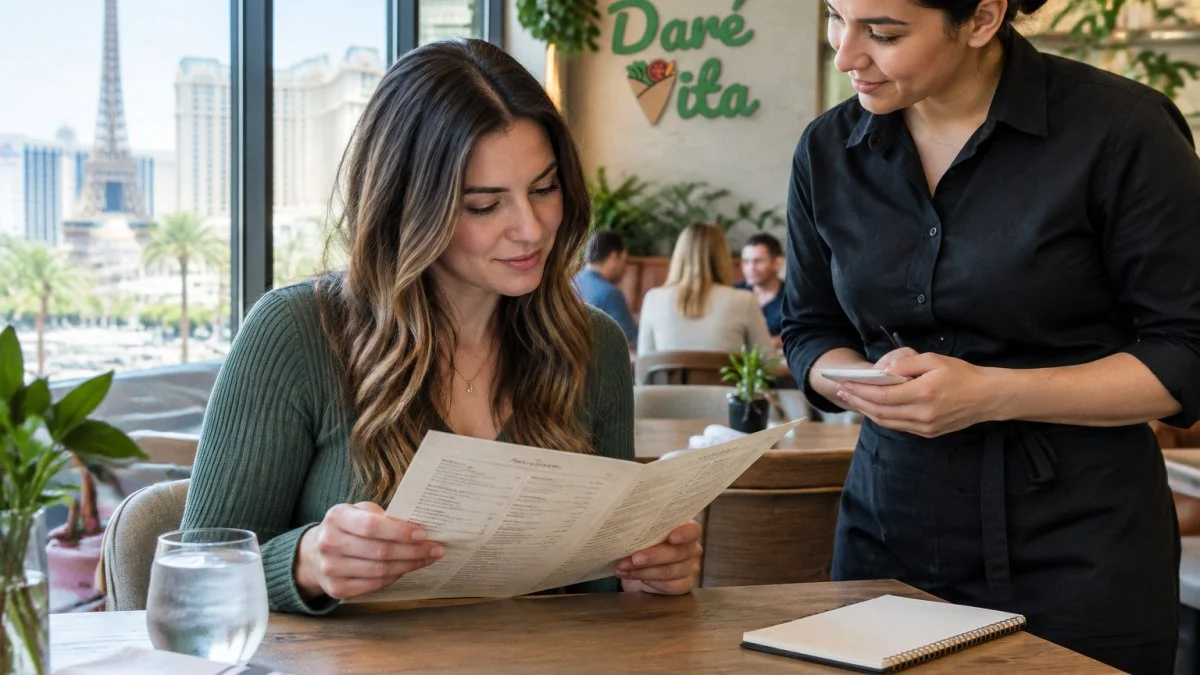
Ordering well comes down to asking the right questions and making clear requests. Servers handle allergy requests every day, and a specific request is easier to act on than a vague one.
Questions to Ask Restaurant Staff
Start with a few direct questions before you order:
- How fresh is the chicken or fish today, and when was it cooked?
- Is the dish made to order or prepared in advance?
- Does the sauce or marinade contain vinegar, soy, or fermented ingredients?
- Is any cheese or cured meat added unless I request otherwise?
If the answers are vague, choose a simpler dish. A server who checks with the kitchen is a good sign.
Requesting Ingredient Substitutions
Most kitchens can make reasonable changes. Ask for the sauce on the side, request a plain protein without marinade, or swap a sauce-heavy side for steamed vegetables. Keep requests specific and limited. Three clear changes are easier to manage than a long list.
Where to Find Low-Histamine Meals in Las Vegas: A Shortlist to Verify
This shortlist offers specific, adaptable orders, with a clear note that menus and preparation methods change and must be confirmed directly with each restaurant.
The menu checks below reflect what was posted online at the time of writing. Las Vegas kitchens rotate menus seasonally, and Strip restaurants change concepts and chefs often. Before you drive across the valley, pull the current menu from the restaurant’s own site and call during off-peak hours.
On and Near the Strip
The Strip is the hardest part of Las Vegas for low-histamine eating because resort kitchens are built for volume: pre-marinated proteins, batch sauces, and held items. Target restaurants that cook a plain protein to order and let you control the sauce.
Watch out: on the Strip, “grilled chicken” may be marinated before cooking. Ask specifically whether the chicken is marinated.
Off-Strip and Neighborhood Options
Off-Strip areas of Las Vegas include neighborhoods such as the Maryland Parkway corridor, Chinatown on Spring Mountain Road, Henderson, and Summerlin. For a dedicated allergen-friendly dining option, Daré Vita Café serves grain-free, dairy-free, and nut-free meals on Maryland Parkway.
- Scratch-kitchen cafes and neighborhood restaurants. Smaller kitchens that cook to order are more likely to accommodate a plain-protein request and less likely to rely on pre-marinated product. Daré Vita Café, at 8334 S Maryland Pkwy, Suite 105, Las Vegas, is built around scratch-made, allergen-friendly meals and publishes its gluten-free and grain-free menu online so you can review current offerings, including soups and crepes, before you arrive. The café is open Monday through Saturday, 10am to 6pm, and you can call 702-333-5357 with ingredient or preparation questions.
Takeout, Delivery, and Timing
For takeout or delivery, ask for sauces and dressings on the side, and eat promptly. Call the restaurant directly for preparation questions beyond a plain-protein order.
A Short, Practical Checklist Before You Commit
- Pull the current menu from the restaurant’s own website, not a third-party listing.
- Call during off-peak hours and ask whether the protein is marinated before cooking.
- Ask what fat the kitchen cooks with and whether the grill is shared with cured or processed items.
- Request sauces, dressings, and toppings on the side.
- Confirm hours and location the same day.
Readers ready to verify details can contact Daré Vita Café directly at 8334 S Maryland Pkwy, Suite 105, Las Vegas. Visit the [contact page | darevitacafe.com] for directions and current hours.
Disclaimer: no restaurant can guarantee zero cross-contamination or a histamine-free dish. Shared kitchens, sauces, and fryers can introduce ingredients you did not expect. Confirm details with the staff and make decisions that fit your own tolerance.
The table below summarises the key checks the article recommends before committing to a restaurant.
| Check | Why it matters | Action |
|---|---|---|
| Current menu | Las Vegas kitchens rotate menus seasonally | Pull it from the restaurant’s own site |
| Marinated protein | Pre-marinated chicken cannot be unmarinated later | Call during off-peak hours and ask |
| Shared grill | Cured or processed items can cross-contaminate | Ask what the grill is used for |
| Sauces and dressings | Vinegar, soy and fermented ingredients concentrate in sauces | Request them on the side |
| Hours and location | Details can change without notice | Confirm the same day |
Low-Histamine Snacks for Between Meals and Travel Days
Snacks are easier to plan than meals. Fresh fruit such as apples and pears, plain rice cakes, and fresh vegetables with a simple dip tend to be well tolerated on a low-histamine diet. Pack them in a cooler on long travel days.
Avoid aged cheese, dried or cured meats, and fermented products like yogurt or kombucha, which can carry higher histamine levels. Single-serving portions help you control freshness.
A One-Week Low-Histamine Meal Plan You Can Adapt
A weekly plan keeps dining out manageable. Build each day around one fresh protein, one plain grain or starch, and one or two vegetables.
- Monday: Plain grilled chicken, steamed rice, and roasted vegetables
- Tuesday: Fresh-cooked turkey with a baked potato and green beans
- Wednesday: Fish cooked the same day, with quinoa and a fresh salad using olive oil
- Thursday: Plain chicken soup made fresh, with rice and carrots
- Friday: Eggs cooked fresh, with sautéed spinach and a simple fruit side
- Saturday: Dining out, using the ordering script above
- Sunday: Batch-cooked protein eaten within a day, with vegetables
Adapt the plan to your own tolerances and work with a clinician if your diet becomes restrictive.
Book Your Allergen-Friendly Meal at Daré Vita Café
Eating low-histamine in Las Vegas takes planning, but it is achievable with the right questions and the right restaurant. Daré Vita Café builds its menu around scratch-made, allergen-free meals, so guests with multiple sensitivities have a dedicated place to eat. Pricing depends on the items you choose, so check the current menu on the website before you visit.
Ready to see what is on the menu? [Explore the allergen-friendly menu at Daré Vita Café | darevitacafe.com] and plan your visit this week.
Frequently Asked Questions
Can a restaurant guarantee that a meal is low histamine?
No restaurant can fully guarantee that a meal is low histamine, because histamine builds up in aged, fermented, cured, canned and long-stored foods, and kitchens rarely control storage times for every ingredient. What a restaurant can do is answer specific questions about freshness, how proteins are stored and whether vinegar, fermented soy or aged cheese appear in a dish. Clinical guidance also stresses that a low-histamine diet should be followed under medical supervision to avoid unnecessary food avoidance and nutritional gaps.
What foods are commonly avoided on a low-histamine diet?
Foods commonly avoided include aged cheeses, cured or smoked meats, fermented foods such as soy sauce, miso and tempeh, vinegar-based dressings, canned fish, leftovers and long-stored or frozen-then-thawed proteins. Fresh meat, fresh or frozen fish, eggs, plain rice, baked potatoes and many vegetables are generally used as simpler starting points. Individual tolerance varies, so readers should track their own responses with a clinician’s input.
What should I ask a Las Vegas restaurant about ingredients and food preparation?
Ask whether proteins are cooked fresh to order or held from a previous batch, whether fish and poultry are fresh or previously frozen, and whether sauces, marinades or dressings contain vinegar, soy or fermented ingredients. Also ask whether leftovers are used in soups or stocks, and whether a dish can be prepared plain with olive oil, lemon or herbs. Clear, specific answers from staff matter more than a menu label that says low-histamine.
What are some low-histamine fast-food options?
Fast-food choices are limited, so the safest approach is usually a plain grilled protein cooked fresh, such as a chicken breast, with a plain baked potato or rice and steamed vegetables. Skip cheese, sauces, pickles and marinated items, and ask for no vinegar-based dressings. Confirm preparation before ordering, since fryer oil, sauce bases and cross-contact can vary by location.