Table of Contents
Last Updated: November 1, 2026
Quick Summary
An anti-inflammatory diet may help some people with bloating, but research specifically on bloating is limited. It is a general eating pattern built around fruits, vegetables, whole grains, and nuts rather than one fixed plan. Bloating has several possible causes, so identifying your trigger foods matters too.
- Bloating can come from inflammation, gas, food sensitivities, or other conditions, not only inflammation.
- The research found does not show that an anti-inflammatory diet directly reduces bloating.
- Beans, lentils, cruciferous vegetables, and carbonated drinks are common gas-producing foods to limit.
- Change one food at a time so you can tell which one causes your symptoms.
- A food and symptom journal kept for a few weeks can reveal useful patterns.
Table of Contents
- How Inflammation and Bloating Are Linked
- What the Research Says About an Anti-Inflammatory Diet for Bloating
- Anti-Inflammatory Foods for Gut Health
- Foods That Cause Bloating and What to Limit
- Anti-Inflammatory Diet for IBS: Where It Fits
- How Long It Takes for an Anti-Inflammatory Diet to Work
- Building Your Next Meal Around Gut-Friendly, Allergen-Free Choices at Daré Vita Café
- Frequently Asked Questions
Bloating is one of the most common complaints people bring to their doctors, and many of them ask whether changing what they eat will help. The short answer is that an anti-inflammatory diet may help some people, but the research on bloating specifically is still limited.
How Inflammation and Bloating Are Linked
Inflammation is your body’s natural response to injury, irritation, or infection. In the gut, long-running inflammation can change how the digestive system moves food and gas along, which can leave you feeling full, tight, or swollen.
Bloating is not always caused by inflammation, though. Gas, slow digestion, food sensitivities, and certain conditions can all produce the same feeling. That is why it helps to think about the cause before you change your diet.
- Inflammation can affect how the gut lining and muscles work
- Food sensitivities can trigger gas and discomfort
- Stress and eating habits can make bloating worse
What the Research Says About an Anti-Inflammatory Diet for Bloating
An anti-inflammatory diet is a general eating pattern, not one fixed plan. Overview of anti-inflammatory diets in Nutrients describes it as built around foods with possible anti-inflammatory properties, such as fruits, vegetables, whole grains, and nuts.
Johns Hopkins Medicine notes that there is not one specific anti-inflammatory diet, and that overall healthy eating can help address inflammation. Johns Hopkins Medicine guidance on anti-inflammatory diets
Here is the important gap. The research we found does not show that an anti-inflammatory diet directly reduces bloating. Limited case-level reports exist, but one person is not enough to draw a general conclusion.
Anti-Inflammatory Foods for Gut Health
Many foods in this eating pattern are gentle on the digestive system. For practical ideas, see these grain-free breakfast ideas that apply the same approach.
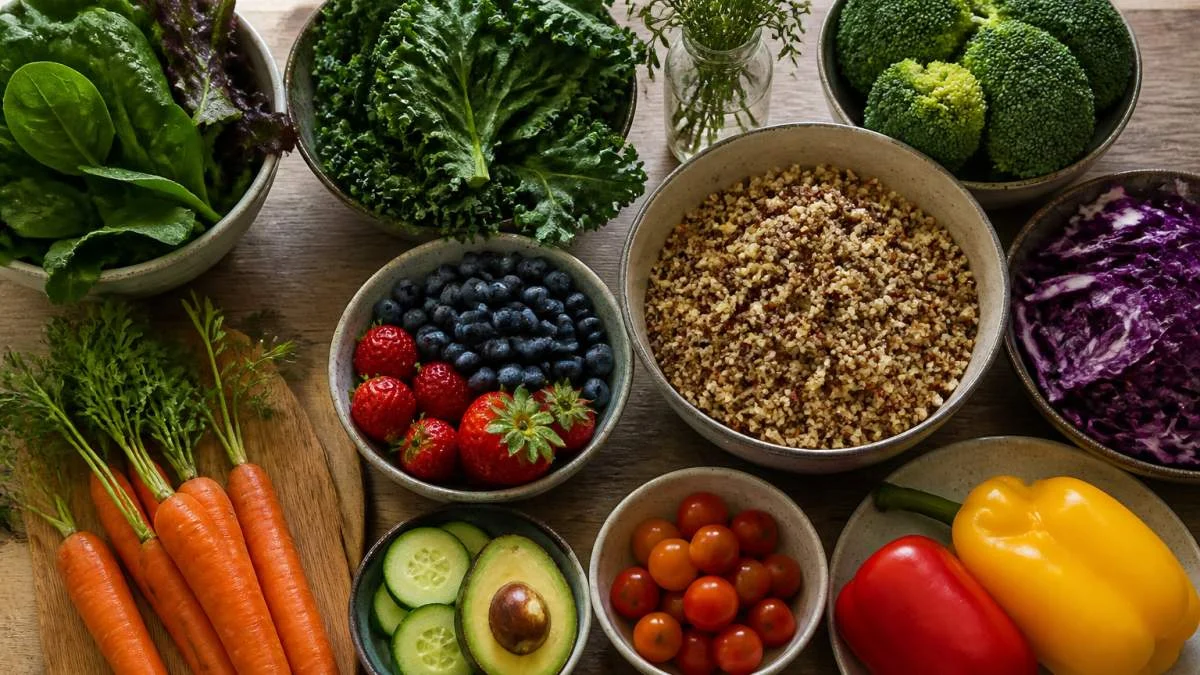
- Leafy greens and colorful vegetables
- Fresh fruit, especially berries
- Nuts and seeds
- Fish and healthy fats
- Whole foods without added sugar
Grain-free eating is one option some people explore for gut comfort.
Foods That Cause Bloating and What to Limit
Certain foods are more likely to cause gas for many people. Limiting them may help more than adding anti-inflammatory foods alone.
- Beans and lentils, which can produce gas
- Cruciferous vegetables such as broccoli and cabbage
- Carbonated drinks
- Sugar alcohols and artificial sweeteners
- Heavy, fried, or very rich meals
Watch out: Cutting many foods at once can make it hard to know which one caused the problem. Change one thing at a time.
The article points to a short list of foods that more often cause gas and bloating for many people.
|
Food |
Why it causes bloating |
Suggested step |
|---|---|---|
|
Beans and lentils |
Can produce gas |
Limit and watch symptoms |
|
Cruciferous vegetables |
Such as broccoli and cabbage, can produce gas |
Limit and watch symptoms |
|
Carbonated drinks |
Add gas to the gut |
Limit |
|
Sugar alcohols and artificial sweeteners |
Can cause gas |
Limit |
|
Heavy, fried, or very rich meals |
Hard to digest comfortably |
Limit |
Anti-Inflammatory Diet for IBS: Where It Fits
Irritable bowel syndrome (IBS) often causes bloating. For IBS, a different approach may work better. Review of dietary interventions in inflammatory bowel disease reports that a low-FODMAP diet improved bloating and other symptoms in a cited study, which is a separate approach from a general anti-inflammatory pattern.
If you have IBS, talk with a doctor or registered dietitian before making big changes. They can help you decide whether an anti-inflammatory approach, a low-FODMAP plan, or something else fits your situation.
How Long It Takes for an Anti-Inflammatory Diet to Work
A reliable timeline for how quickly bloating improves on an anti-inflammatory diet is not established. Results vary from person to person.
Many people find it helpful to keep a simple food and symptom journal for a few weeks. Note what you eat and when bloating happens. Patterns often show up sooner than you expect.
Building Your Next Meal Around Gut-Friendly, Allergen-Free Choices at Daré Vita Café
If you want to eat this way without planning every meal yourself, Daré Vita Café offers scratch-made meals that are free from gluten, grains, soy, peanuts, tree nuts, and refined sugars. We also exclude seed oils and corn.
You can browse our gluten-free menu before you visit to see what fits your needs.
Ready to plan a visit? Contact Daré Vita Café for our address, hours, and phone number.
Frequently Asked Questions
Can an anti-inflammatory diet reduce bloating?
Research has not directly tested whether an anti-inflammatory eating pattern relieves bloating. Reviews describe these diets as built on vegetables, fruits, whole grains and nuts, which may support digestive health, and a published case report described one patient with inflammatory bowel disease whose bloating improved after following the diet more closely. That is a single individual, not proof for the general population. Because bloating has many causes, a persistent problem is worth discussing with a healthcare provider before assuming diet alone will solve it.
Is an anti-inflammatory diet suitable for people with IBS?
Anti-inflammatory eating is a broad pattern rather than one standardized diet, so it is not a specific IBS treatment. Clinical research on bloating in IBS-related conditions has focused more on the low-FODMAP approach, which some studies report may improve symptoms, including bloating. People with IBS should work with a clinician or registered dietitian before making major changes, especially if they need to identify specific trigger foods.
Can an anti-inflammatory diet make bloating worse?
It can, depending on the foods involved and how a person responds to them. Some people with bloating react to high-fiber vegetables, legumes or whole grains that are common in anti-inflammatory eating, especially when intake increases quickly. Adding foods gradually and keeping a simple food and symptom log can help identify what works for you. If bloating worsens after changing your diet, stop the new foods and speak with a healthcare provider.
When should I see a doctor about persistent bloating?
See a doctor if bloating lasts for weeks, is getting worse, or comes with unexplained weight loss, blood in the stool, persistent pain, vomiting, or changes in bowel habits. These signs can point to conditions that need medical evaluation rather than dietary changes alone. People with celiac disease or severe food allergies should also keep their clinician informed about symptoms, since accidental exposures can cause significant digestive reactions.