
Table of Contents
Last Updated: October 24, 2026
Quick Summary
How to plan a party with severe food allergies requires starting early at least two to three weeks before your event, asking guests clear questions about their allergies, and preventing cross-contact through dedicated equipment and careful food preparation. Focus on whole unprocessed ingredients, clear communication about what’s being served, and having an emergency plan in place.
- Begin planning two to three weeks before your event and send invitations with allergy questions at least three weeks prior.
- Use separate cutting boards, utensils, and serving spoons for allergen-free foods and prepare these foods first to prevent cross-contact.
- More than 40 percent of children with food allergies have experienced a severe allergic reaction such as anaphylaxis.
- For parties with more than 15 people or multiple severe allergies, consider hiring professional catering with dedicated allergen-free kitchens.
- Ask guests if they carry an epinephrine auto-injector and know the symptoms of anaphylaxis including difficulty breathing and facial swelling.
Table of Contents
- How to Plan a Party With Severe Food Allergies: Start Early
- Food Allergy Questions for Guests: What to Ask and When
- Build Your Food Allergy Party Checklist
- Preventing Cross-Contact at Events: Kitchen and Serving Strategies
- Allergy-Safe Catering for Large Groups: When to Partner With Professionals
- Choose Safe Foods and Verify Ingredients
- Communicate Clearly and Prepare for Emergencies
- Frequently Asked Questions
How to Plan a Party With Severe Food Allergies: Start Early
Learning how to plan a party with severe food allergies requires thoughtful preparation, clear communication, and attention to detail. At Daré Vita Café, we understand the anxiety that comes with hosting guests who have food allergies, and the responsibility of keeping them safe. More than 40 percent of children with food allergies have experienced a severe allergic reaction such as anaphylaxis Food Allergy Research & Education (FARE), making advance planning essential for any gathering.
The key to success is starting early. Begin planning at least two to three weeks before your event. This timeline gives you space to identify guests with allergies, source safe ingredients, and prepare your space without rushing. When you rush, mistakes happen, and with severe allergies, mistakes carry real consequences.
Food Allergy Questions for Guests: What to Ask and When
Asking the right questions is your first line of defense. Send invitations at least three weeks before your event and include a clear section asking about food allergies and dietary restrictions. Make it easy for guests to respond by providing a simple form or direct email address.
Ask these specific questions:
- Do you or anyone in your party have food allergies?
- If yes, which foods trigger a reaction?
- How severe is the allergy? (mild, moderate, severe/anaphylaxis)
- Do you carry an epinephrine auto-injector (EpiPen)?
- Are there any other foods you avoid for health or personal reasons?
The American Academy of Allergy, Asthma & Immunology advises event planners to ask attendees about food allergies and give them a way to share their needs American Academy of Allergy, Asthma & Immunology. Follow up with guests one week before the event to confirm their needs and discuss your menu.
A case study of a preschool-aged child during an oral food challenge highlighted the significant anxiety experienced by both the child and the caregiver regarding food-related safety ScienceDirect. This anxiety is real. Reassure your guests by telling them exactly what you’re serving and how you’re preventing cross-contact.
Build Your Food Allergy Party Checklist
Pre-Party Preparation
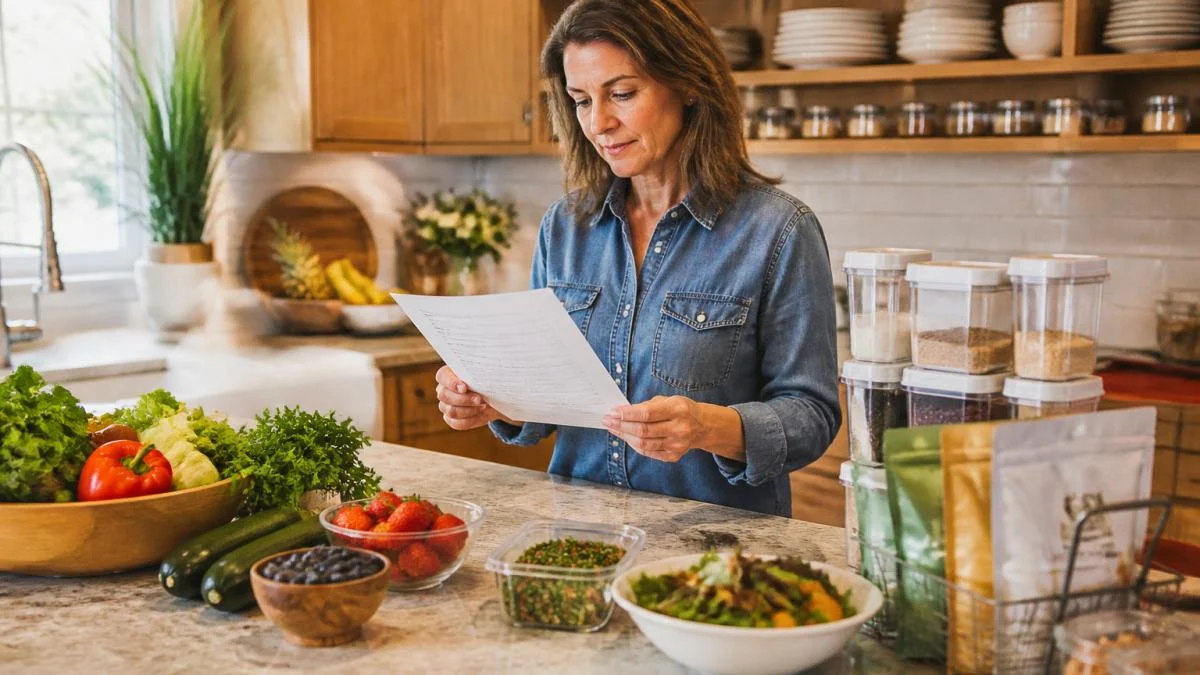
Your checklist starts weeks before guests arrive. Download or print this checklist and check off each item as you complete it.
Three weeks before:
- Send invitations with allergy questions
- Create a master list of all guest allergies
- Research safe recipes and ingredients
- Identify which foods you’ll prepare yourself vs. order
Two weeks before:
- Confirm guest responses
- Purchase allergen-free ingredients from trusted sources
- Plan your menu with safe alternatives for each course
- Decide on serving utensils and dishes (dedicated vs. shared)
One week before:
- Follow up with guests to confirm their needs
- Shop for all ingredients
- Clean your kitchen thoroughly
- Label all ingredients and prepared foods with allergen information
Two days before:
- Prep ingredients that can be made ahead
- Organize your serving station
- Create clear labels for each dish showing what it contains and what it does NOT contain
Day-of Setup and Service
On the day of your party, organization prevents mistakes. Set up a dedicated allergen-free serving area if possible. Use separate utensils for each dish to prevent cross-contact. Wash your hands before handling allergen-free foods.
Keep a printed list of guest allergies near your serving station. If a guest asks about an ingredient, you can check your list immediately. Never guess about what’s in a dish.
Serve allergen-free foods first, before handling foods that contain common allergens. This reduces the risk of cross-contact from utensils or your hands.
Preventing Cross-Contact at Events: Kitchen and Serving Strategies
Cross-contact is the biggest risk at parties. It’s different from cross-contamination (which refers to harmful bacteria). Cross-contact means allergen particles from one food end up in another food.
Increased emphasis on ‘Avoidance Planning’ for home environments now includes preventing cross-contamination in home kitchens and establishing clear communication protocols for guests Help Allergy Treatment. This means you need a plan before guests arrive.
Use these strategies to prevent cross-contact:
- Dedicated equipment: Use separate cutting boards, utensils, and serving spoons for allergen-free foods. Label them clearly.
- Clean surfaces: Wash countertops with soap and hot water before preparing allergen-free foods.
- Hand hygiene: Wash your hands thoroughly after handling foods with common allergens.
- Separate prep areas: If possible, prepare allergen-free foods in a different area of your kitchen.
- Clear labeling: Label every dish with its ingredients and top allergens it does NOT contain.
Learn more about how we prevent cross contamination at our facility using dedicated equipment, strict cleaning procedures, and thorough staff training.
Allergy-Safe Catering for Large Groups: When to Partner With Professionals
If you’re hosting more than 15 people or have guests with multiple severe allergies, consider hiring professional catering. Professional caterers have dedicated allergen-free kitchens, trained staff, and systems designed to prevent cross-contact.
When choosing a caterer, ask these questions:
- Do you have a dedicated allergen-free kitchen or prep area?
- What staff training do you provide on allergen safety?
- Can you provide a detailed ingredient list for every dish?
- How do you prevent cross-contact during preparation and service?
- Can you accommodate last-minute allergy questions from guests?
Daré Vita Café specializes in allergen-friendly catering for events in Las Vegas. We use scratch-made recipes free from gluten, grains, soy, peanuts, and tree nuts. Our founder, natural food scientist Margie Traxler, designed our kitchen and procedures specifically to protect guests with severe allergies.
Understand what makes Daré Vita Café allergen friendly.
For large groups in Las Vegas, professional catering removes stress and ensures safety. Pricing depends on quantity, dates, and delivery, contact a catering partner directly for a quote.
Choose Safe Foods and Verify Ingredients
The safest party foods are whole, unprocessed ingredients. Fresh fruits, vegetables, grilled meats, and simple starches carry lower allergen risk than packaged or processed foods.
When selecting foods:
- Read every label: Packaged foods often contain hidden allergens. Check for statements like “made in a facility that processes tree nuts.”
- Ask about ingredients: If you’re unsure about a packaged food, contact the manufacturer.
- Choose certified allergen-free when possible: Some brands certify their products as free from major allergens.
- Avoid cross-contamination in your cart: At the grocery store, place allergen-free foods in a separate bag.
See what ingredients we avoid in our recipes, we never use gluten, grains, cane or corn sugar, soy, peanuts, or tree nuts.
|
Food Category |
Safe Options |
Foods to Avoid |
|---|---|---|
|
Proteins |
Grilled chicken, beef, fish, eggs |
Processed meats with fillers |
|
Vegetables |
Fresh or roasted vegetables |
Vegetables in cream sauces |
|
Fruits |
Fresh whole fruits |
Dried fruits with additives |
|
Starches |
Cassava, potatoes, Sweet Potatoes |
Breaded or fried items |
|
Snacks |
Nuts-free chips, fresh fruit |
Packaged snacks with allergen warnings |
Communicate Clearly and Prepare for Emergencies
Clear communication prevents misunderstandings. Before your party, tell guests exactly what you’re serving. Send a menu with ingredient lists. Invite guests with severe allergies to call you with questions.
During the party, point out which dishes are safe for each guest. Say it out loud: “This salad is safe for you, it has no tree nuts.” Don’t assume guests will figure it out.
Learn best practices for safely eating out with food allergies, choose restaurants that focus on allergen-friendly ingredients and ask about preparation methods. These same principles apply to communicating with guests about allergies at your party.
Prepare for emergencies even if you’ve done everything right:
- Ask guests with severe allergies if they carry an epinephrine auto-injector and where they keep it.
- Know the symptoms of anaphylaxis: difficulty breathing, swelling of the face or throat, rapid pulse, dizziness.
- Have the guest’s emergency contact information.
- Know the location of the nearest hospital.
- Call 911 immediately if someone shows signs of a severe allergic reaction.
|
Step |
Action |
Timing |
|---|---|---|
|
Before party |
Ask guests about allergies and medications |
3 weeks prior |
|
During party |
Point out safe foods to each guest |
As guests arrive |
|
If reaction occurs |
Use epinephrine auto-injector if available |
Immediately |
|
After reaction |
Call 911 |
Immediately |
Planning a party with severe food allergies requires preparation, but it’s absolutely doable. The anxiety many hosts feel comes from uncertainty, and that uncertainty disappears once you have a plan. At Daré Vita Café in Las Vegas, we’ve helped families and businesses host safe, inclusive gatherings where everyone can enjoy the meal together. Start early, ask clear questions, and don’t hesitate to bring in professional help for large events. Your guests will remember that you made them feel welcome and safe, that’s what good hosting looks like.
Frequently Asked Questions
What are the most important questions to ask guests about food allergies before a party?
Ask each guest: Do you have any food allergies or sensitivities? What specific foods must you avoid? How severe is your reaction—do you need to avoid cross-contact? Do you take medication like an epinephrine auto-injector? Are there foods you’re unsure about? Get answers in writing if possible. According to the American Academy of Allergy, Asthma & Immunology, clear communication about allergies is essential for event planning. More than 40 percent of children with food allergies have experienced a severe allergic reaction such as anaphylaxis, so thorough questioning protects your guests.
How do you prevent cross-contact when serving food at a party with severe food allergies?
Use separate utensils, cutting boards, and serving spoons for allergen-free foods. Wash your hands before handling allergen-free items. Use clean plates and avoid using the same serving utensil in multiple dishes. Label all foods clearly, including dishes that contain common allergens. Store allergen-free foods separately in your kitchen. If you’re uncertain about an ingredient, don’t serve it. Avoidance planning now includes preventing cross-contamination in home kitchens and establishing clear communication protocols for guests, according to current best practices in allergy management.
When should I hire professional allergy-safe catering instead of preparing food myself?
Hire professional catering if you’re hosting more than 20 guests, managing multiple severe allergies, or lacking confidence in your ability to prevent cross-contact. Professional allergen-friendly catering services have dedicated preparation areas, trained staff, and ingredient verification systems. For large corporate events or celebrations with mixed dietary needs, professional caterers reduce your liability and ensure consistent safety. Contact a dedicated allergen-friendly catering provider for pricing and lead time based on your guest count and allergy requirements.
What foods are safest to serve at a party with severe food allergies?
Whole, unprocessed foods are safest: fresh fruits, vegetables, grilled or baked meat, fish, and potatoes. Avoid processed foods, sauces, and baked goods unless you’ve verified every ingredient. Read all labels carefully—allergens hide in unexpected places like soy lecithin in chocolate or tree nuts in salad dressing. When in doubt, choose simple dishes you can prepare from scratch. If you’re unsure about ingredient sourcing or cross-contamination risks, consider sourcing from a dedicated allergen-friendly provider that specializes in safe meal preparation.