Table of Contents
Quick Summary
To follow an anti-inflammatory diet step by step, build your meals around whole, minimally processed foods such as vegetables, fruits, whole grains (limit or eliminate), nuts, fish, and healthy fats like olive oil. Start with a simple plate, plan a few reliable meals for your first week, shop from a written list, and batch cook basics to make the diet easier to keep.
- Fill half your plate with vegetables, a quarter with protein, and a quarter with a healthy carb or fat.
- Choose whole fruit over juice and use olive oil, avocado, or nuts for fats.
- Pick three or four dinners you already know, and repeat them to save time.
- The VA suggests about 25 grams of fiber a day for women ages 19 to 50.
- Set aside one or two hours each week to cook and portion food for the coming days.
Table of Contents
- Start by Understanding What an Anti-Inflammatory Diet Includes
- Step 1: Build Your Plate Around Whole, Minimally Processed Foods
- Step 2: Plan Your First Week With a Simple Anti-Inflammatory Meal Plan for Beginners
- Step 3: Stock Your Kitchen With an Anti-Inflammatory Diet Grocery List
- Step 4: Set Up Anti-Inflammatory Meal Prep for Beginners
- Step 5: Eating Out and Handling Restrictions in Las Vegas
- Booking Your Next Allergen-Safe Meal at Daré Vita Café
- Frequently Asked Questions
Start by Understanding What an Anti-Inflammatory Diet Includes
Last Updated: November 2, 2026
Learning how to follow an anti-inflammatory diet step by step starts with knowing what the diet actually is. An anti-inflammatory diet is a way of eating that focuses on whole, minimally processed foods. It is not a short-term fix or a strict cleanse.
The idea is simple. Foods that are less processed tend to support the body better than foods stripped of their nutrients. StatPearls overview of anti-inflammatory diets describes this as a holistic approach to daily life, with a focus on whole, biodiverse foods.
Here is what the diet usually includes:
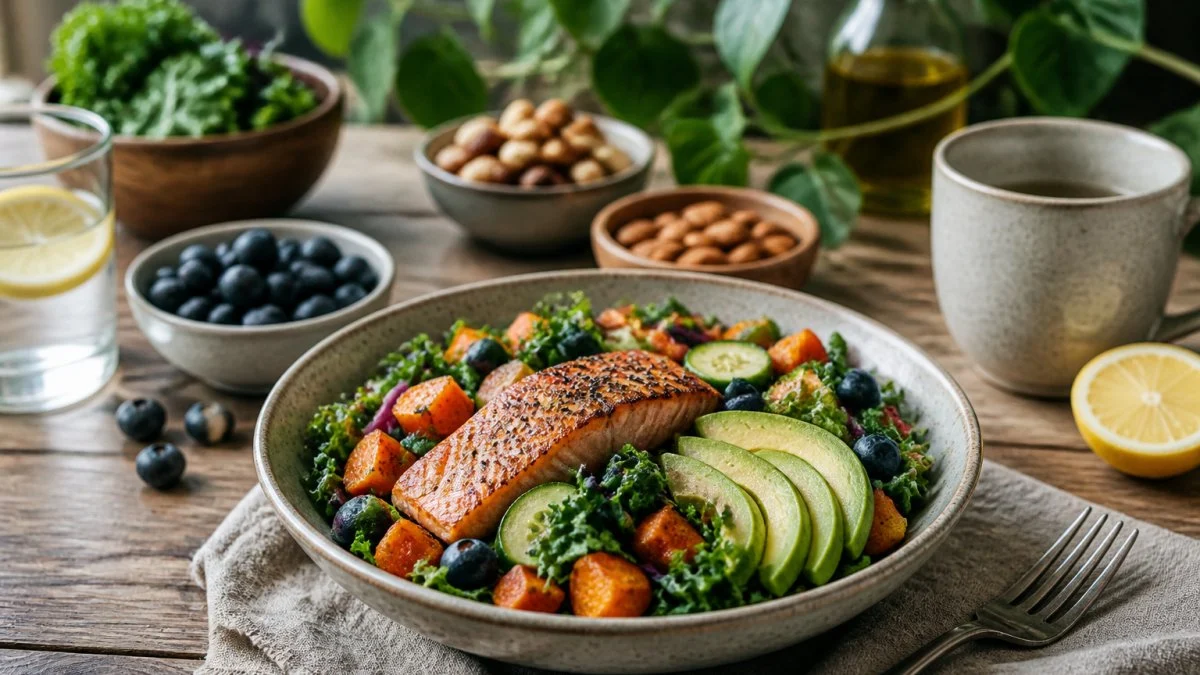
- Vegetables and fruits, especially leafy greens and berries
- Whole grains, or grain-free starches such as sweet potatoes
- Nuts and seeds
- Fish and other lean proteins
- Healthy fats from sources like olive oil
Diets with fruits, vegetables, whole grains, and nuts show possible anti-inflammatory benefits. NCBI review of anti-inflammatory diets reviews the research on these eating patterns, and it is a good place to read more.
Fiber is one of the easiest things to track. The U.S. Department of Veterans Affairs recommends about 25 grams a day for women ages 19 to 50, and about 38 grams for men in the same age range. VA Whole Health Library fiber guidelines lists these amounts and other tips for eating to reduce inflammation.
Step 1: Build Your Plate Around Whole, Minimally Processed Foods
Start each meal with a simple plate. Fill half of it with vegetables, a quarter with protein, and a quarter with a healthy carb or fat. This makes meals easier to plan than counting every ingredient.
Choose foods that are close to their natural form. Ask yourself whether the food came from a plant, an animal, or a farm. If the answer is a package with a long ingredient list, it probably belongs in the “limit” pile.
- Pick fresh or frozen vegetables without added sauces
- Choose whole fruit over juice
- Use olive oil, avocado, or nuts for fats
- Read labels and skip added sugars where you can
Watch out: many packaged “healthy” foods still contain refined oils and added sugar. Check the label before you assume a product fits the plan.
Step 2: Plan Your First Week With a Simple Anti-Inflammatory Meal Plan for Beginners
A good beginner plan does not need to be fancy. Pick three or four dinners you already know how to make, then build breakfasts and lunches around them.
How to Start An Anti-Inflammatory Diet | Ask Cleveland Clinic’s Expert
Cleveland Clinic
Try this simple weekly rhythm:
- Breakfast: fruit with nuts, or a vegetable omelet
- Lunch: a big salad with protein and olive oil dressing
- Dinner: grilled fish or chicken with roasted vegetables
- Snacks: raw vegetables, berries, or a small handful of nuts
Repeat meals when it helps. Repeating a few reliable dinners saves time and cuts down on decision fatigue, especially in the first few weeks.
Here is a simple weekly rhythm to start with, drawn from the meal ideas above.
| Meal | Example | Note |
|---|---|---|
| Breakfast | Fruit with nuts, or a vegetable omelet | Start the day with whole foods |
| Lunch | Big salad with protein and olive oil dressing | Use olive oil dressing |
| Dinner | Grilled fish or chicken with roasted vegetables | Repeat reliable dinners |
| Snacks | Raw vegetables, berries, or a small handful of nuts | Keep portions small |
Step 3: Stock Your Kitchen With an Anti-Inflammatory Diet Grocery List
Before you shop, write a list based on your plan. Shopping with a list keeps you focused on whole foods and makes it easier to avoid packaged items you do not need.
Your core grocery list might include:
- Leafy greens, broccoli, peppers, and other vegetables
- Berries, apples, and bananas
- Fish, chicken, eggs, and beans or lentils
- Oats, quinoa, or sweet potatoes
- Olive oil, nuts, and seeds
- Herbs and spices such as turmeric, garlic, and ginger
Buy staples in bulk when you can. Dried beans and frozen fruit often cost less than fresh and keep longer in the pantry.
Step 4: Set Up Anti-Inflammatory Meal Prep for Beginners
Meal prep makes the diet easier to follow on busy days. Set aside one or two hours each week to cook and portion food for the coming days.
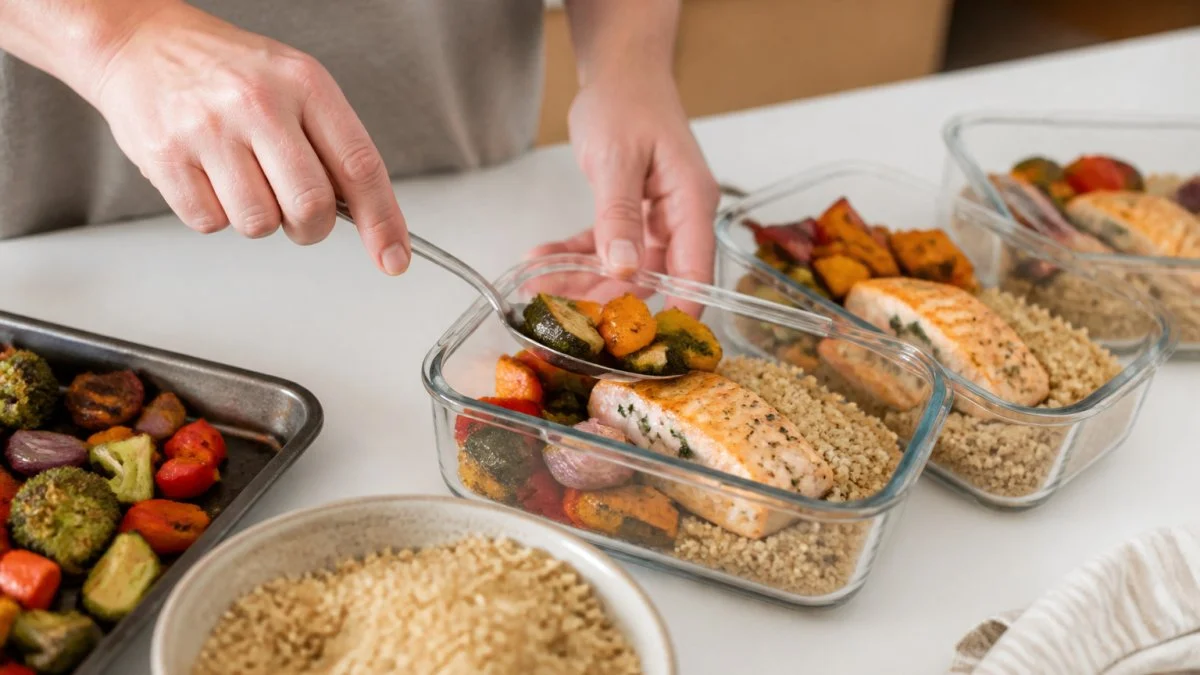
Batch cook a few basics, then mix them into different meals. Roast a tray of vegetables, cook a pot of quinoa, and grill a batch of chicken or fish. Store each item in its own container so you can combine them quickly.
!Hands portioning colorful roasted vegetables, quinoa and grilled fish into glass meal prep containers on a bright kitchen counter
Step 5: Eating Out and Handling Restrictions in Las Vegas
Eating out can be harder when you have food restrictions. Plan ahead by checking menus online and calling ahead when you need to ask about ingredients or preparation.
Tell your server about your restrictions clearly and early. Ask how dishes are prepared, and whether shared fryers or cooking surfaces are used.
For Las Vegas diners, look for restaurants that publish their allergen practices and menu details. Our guide on Which Las Vegas Restaurants Offer Strict Allergy Protocols? covers this in more depth.
Booking Your Next Allergen-Safe Meal at Daré Vita Café
If you want a meal that already fits these guidelines, Daré Vita Café was built for exactly this. Our kitchen is free from gluten, grains, soy, peanuts, tree nuts, and refined sugars. Every dish is scratch-made, and our top allergens are clearly labeled.
Want to see what is on the plate before you visit? Browse our gluten-free menu to find dishes that fit your plan. You can learn the story behind Daré Vita Café to understand how the café started.
When you are ready to visit, you can find our Las Vegas location on our website. Use our contact page for menu questions and current details. Pricing depends on the order, so check our website or call for a current quote.
Following an anti-inflammatory diet step by step gets easier with a plan, a grocery list, and a few reliable meals. Daré Vita Café is here to make that next step simpler.
Frequently Asked Questions
How do I start an anti-inflammatory diet step by step?
Start by changing one meal at a time rather than overhauling everything at once. Begin with breakfast or dinner, fill half your plate with vegetables and fruit, and choose whole-food proteins and healthy fats. Add a second meal after a week or two. Consistency matters more than perfection, and a structured plan with clear shopping and prep steps makes it easier to keep going over the long term.
What foods should I eat and limit on an anti-inflammatory diet?
Emphasize vegetables, fruits, legumes, whole grains, nuts and seeds, and fish or other lean proteins. Limit ultra-processed foods, refined sugars and heavily fried items. Many people also reduce red and processed meats. Reading labels helps you spot hidden sugars and additives in packaged products.
How much fiber should I eat while following this diet?
Check the U.S. Department of Veterans Affairs Whole Health Library for current daily fiber recommendations. Most people fall short of these targets, so adding beans, lentils, vegetables, berries and whole grains gradually helps you reach them without digestive discomfort.
Can I follow an anti-inflammatory diet when dining out in Las Vegas?
Yes, but it takes some planning. Look for restaurants that label allergens and prepare food from scratch, and ask staff how dishes are cooked before ordering. Choose grilled proteins, vegetable sides and simple dressings. If you have celiac disease or severe food allergies, tell the restaurant about cross-contamination risks in advance. Pricing and menus vary by venue, so check each restaurant’s website or call ahead for current options.