Table of Contents
Last Updated: October 28, 2026
Quick Summary
Yes, for most people with celiac disease, dedicated gluten-free dining is worth it because it removes gluten from the whole kitchen rather than relying on separate dishes. Shared fryers and prep surfaces are the main source of cross-contact in gluten-friendly restaurants, and a dedicated kitchen removes that risk.
- A gluten-friendly restaurant still cooks gluten-containing food in the same kitchen as safe dishes.
- Shared fryers and prep surfaces are the main cross-contact risk for celiacs.
- Even with 94% of restaurant fries testing under 20 ppm, dedicated facilities remain the only way to eliminate risk entirely.
- Partial fixes like separate fryer baskets depend on staff following every step during busy shifts.
- Ask restaurants directly whether they use shared fryers, grills or prep surfaces for gluten-containing food.
Table of Contents
- What Dedicated Gluten-Free Dining Actually Means
- Dedicated Gluten-Free vs Gluten-Friendly: Where the Real Risk Sits
- The Benefits of Dedicated Gluten-Free Dining for Celiacs
- The Drawbacks: Cost, Access and Menu Variety
- When Dedicated Dining Is Especially Worth It
- How to Ask a Restaurant About Gluten-Free Safety
- Booking Your Celiac-Safe Meal in Las Vegas
- Frequently Asked Questions
What Dedicated Gluten-Free Dining Actually Means
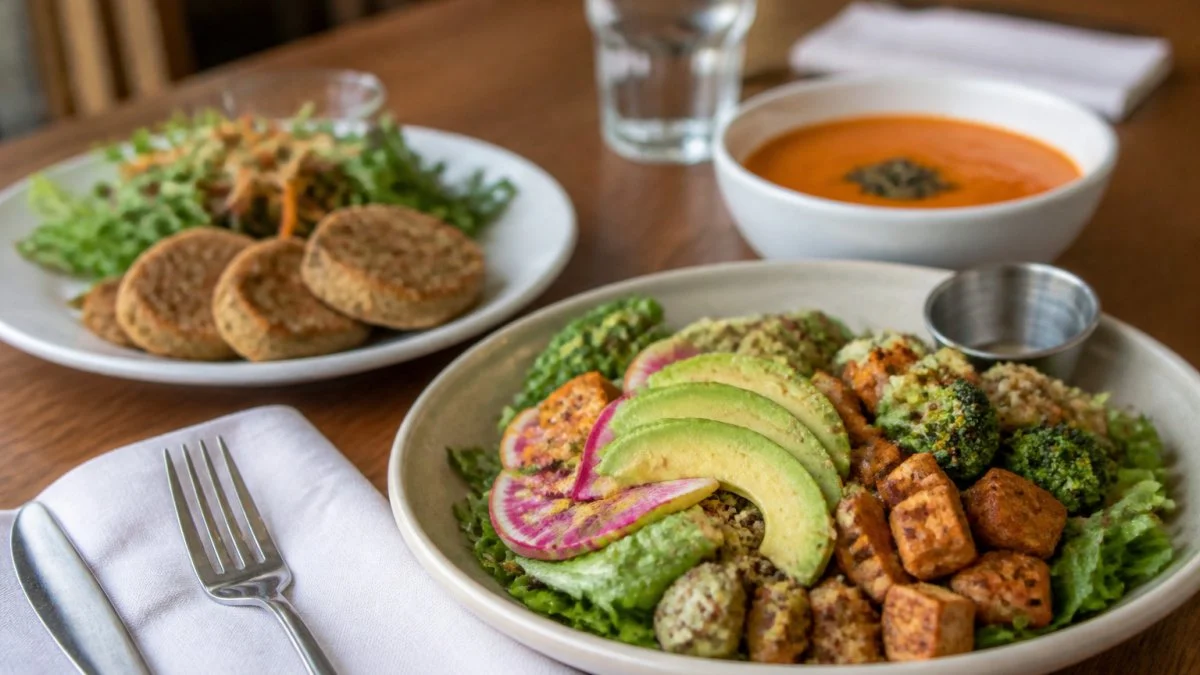
Dedicated gluten-free dining is a restaurant or kitchen that uses no gluten-containing ingredients anywhere on site. For someone with celiac disease, that is a different proposition from a restaurant that simply offers a few gluten-free dishes. At Daré Vita Café, we run a dedicated gluten-free and grain-free kitchen.
A menu label alone does not address preparation practices.
Dedicated Gluten-Free vs Gluten-Friendly: Where the Real Risk Sits
A gluten-friendly restaurant offers some gluten-free options but still cooks gluten-containing food in the same kitchen. A dedicated gluten-free restaurant removes gluten from the whole operation.
Shared equipment is the main culprit. A 2026 study on shared fryers found that while 94% of restaurant fries and chips tested under 20 ppm of gluten, researchers concluded this does not serve as a “green light” for celiacs, emphasizing that dedicated facilities remain the only way to eliminate the risk of cross-contact entirely (Smash Meals, 2026). Smash Meals study on shared fryers and gluten
The Celiac Disease Foundation continues to advise people with celiac disease to ask restaurants how they prepare food and whether they use dedicated equipment (Celiac Disease Foundation, 2026). Celiac Disease Foundation guidance on shared fryer research
The main difference between the two types of restaurant comes down to shared equipment and how food is prepared.
| Type | Gluten-containing food cooked on site? | Main risk for celiacs |
|---|---|---|
| Gluten-friendly restaurant | Yes, in the same kitchen | Shared fryers and prep surfaces |
| Dedicated gluten-free restaurant | No, removed from the whole operation | Minimal, as gluten is absent on site |
The Benefits of Dedicated Gluten-Free Dining for Celiacs
For many people with celiac disease, vetting restaurant practices can add to the mental load of dining out.
At Daré Vita Café, the menu is scratch-made and free from gluten, grains, soy, peanuts, tree nuts and refined sugars.
Expert checklists for celiac-friendly dining describe 100% gluten-free restaurants as the only category that “eliminates the risk category entirely” (Sweetfin, 2026). Sweetfin celiac-friendly restaurant checklist
Eliminating Cross-Contact in Shared Fryers and Prep Areas
Partial solutions, such as separate fryer baskets or “ask for a clean board” requests, reduce risk but depend on staff following every step correctly during a busy shift. A dedicated kitchen shifts that burden off the diner.
The Drawbacks: Cost, Access and Menu Variety
Check Daré Vita Café’s website for current prices.
When Dedicated Dining Is Especially Worth It
Daré Vita Café excludes gluten, grains, soy, peanuts and tree nuts.

How to Ask a Restaurant About Gluten-Free Safety
Start with a direct question: “Do you use shared fryers, grills or prep surfaces for gluten-containing food?”
Next, ask whether the kitchen is dedicated and follow up with a question about specific dishes if you have a particular concern.
If you have several allergies, state them all up front. For a deeper method, learn how to verify restaurant allergen safety. To compare how other venues handle this, read which Las Vegas restaurants offer strict allergy protocols. For a fuller picture of how restaurants handle allergen protocols, see Which Las Vegas Restaurants Offer Strict Allergy Protocols? and How to Verify Restaurant Allergen Safety.
Booking Your Celiac-Safe Meal in Las Vegas
If you want to learn what the café offers, visit the Daré Vita Café allergen-friendly dining page.
Frequently Asked Questions
What is the difference between gluten-friendly and dedicated gluten-free?
Gluten-friendly usually means a restaurant offers some gluten-free menu items, often prepared in the same kitchen, on the same surfaces and sometimes in the same fryers as gluten-containing food. Dedicated gluten-free means the entire kitchen and supply chain avoid gluten, which removes most cross-contact risk. For people with celiac disease, the difference is significant, because even trace amounts can trigger symptoms. Asking whether a restaurant uses shared equipment is the fastest way to tell which type you are dealing with.
How do restaurants prevent cross-contact for celiac disease?
Restaurants that take celiac disease seriously separate prep surfaces, use dedicated cutting boards and utensils, cook gluten-free orders in clean pans or fryers, and train staff to change gloves and wash hands between orders. Many still share air, water and some equipment, so prevention is partial rather than complete. A fully dedicated kitchen avoids these variables entirely. Ask how orders are handled during busy periods, since that is when shortcuts most often happen.
Is it safe for celiacs to eat at restaurants with gluten-free menus?
It can be, but safety depends on the restaurant’s preparation practices rather than the menu label alone. A gluten-free menu item cooked on a shared grill or in a shared fryer carries a real risk of contamination. Shared fryers are a particular concern, since oil can carry gluten between items. Staff who understand celiac disease and can explain their process give you more confidence than a menu symbol does. When in doubt, choose a dedicated kitchen.
How can I verify if a restaurant in Las Vegas is truly dedicated gluten-free?
You can review the Daré Vita Café website for current menu and ordering information.
Does the FDA regulate ‘gluten-free’ claims on restaurant menus?
The FDA regulates the term ‘gluten-free’ on packaged foods, which must contain less than 20 parts per million of gluten to carry the label. Restaurant menus fall outside that packaged-food rule, so a restaurant can call a dish gluten-free without meeting the same standard. This is why asking about preparation practices matters more than trusting a menu claim. Verifying the process directly protects you far better than relying on the wording alone.